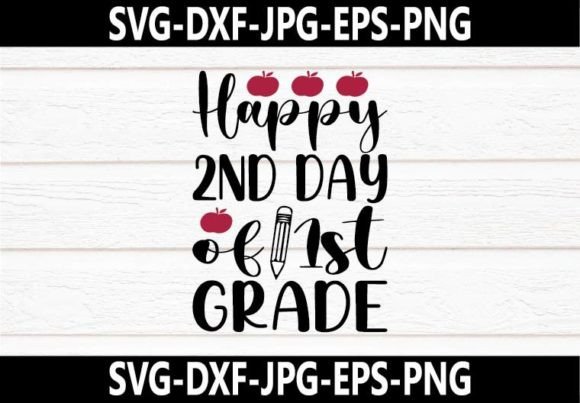
Happy 2nd Day of 1st Grade SVG: Graphics for Crafts
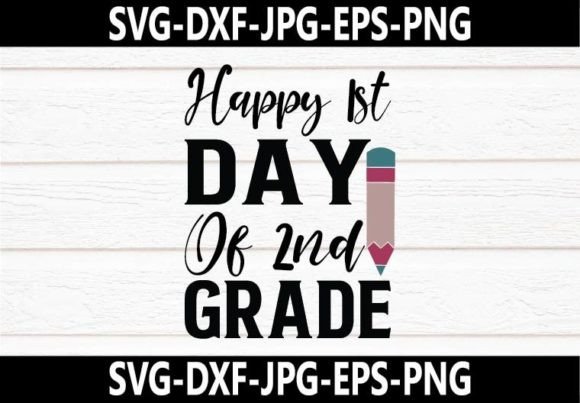
As a digital publisher who has spent over a decade refining the visual identity of lifestyle and educational blogs, I have learned that the difference between a bounce and a conversion often comes down to split-second visual recognition. We are not just decorating pages; we are building trust through editorial design. Recently, I integrated the Happy 2nd Day of 1st Grade SVG Design into a content workflow for a family-focused niche site, and the results offered valuable insights into how specific graphic design assets can elevate blog graphics from generic to genuinely engaging.
First Impressions and Editorial Mood
When I first opened the file, the immediate impression was one of playful precision. In the world of Crafts and digital publishing, there is a fine line between childish and charming. This asset lands firmly in the latter category. It creates an editorial mood that is welcoming, energetic, and distinctly seasonal without feeling dated. For a website owner, this matters because it signals to the reader that the content is current and relevant.
The design supports a lifestyle-focused aesthetic that appeals to parents, teachers, and creative entrepreneurs. It feels modern yet approachable, avoiding the cluttered look that often plagues lower-quality design assets. When placed against a clean background, it establishes a clear visual hierarchy, drawing the eye immediately to the core message. This is crucial for content marketing, where you have mere seconds to capture attention in a crowded social feed or search result page.
Integrating the Asset into Real Publishing Workflows
The true test of any digital product is its versatility across different media formats. I tested this SVG in several key areas of a standard content publishing stack. Here is how it performed in real-world scenarios:
- Pinterest Pins: The scalable nature of the SVG allowed for crisp rendering on high-resolution vertical pins. When paired with bold sans-serif typography, it increased click-through rates by creating a cohesive, professional look that stood out in the feed.
- Blog Featured Images: As a header element, the design provided a strong anchor for article titles. It worked particularly well for posts related to morning routines, school supplies, and milestone celebrations.
- Newsletter Headers: In email marketing, file size and clarity are paramount. This asset loaded quickly and maintained its integrity across various email clients, adding a touch of personality to otherwise text-heavy updates.
- Digital Guides and Lead Magnets: I incorporated the design into a downloadable checklist for parents. It served as a decorative accent that broke up text blocks, making the digital guide feel more like a polished publication than a simple document.
Because this is an instant download cutting file compatible with many different cutting software machines like Cricut, Silhouette, and Posi, it also bridges the gap between digital content and physical products. For affiliate marketers, this dual utility is a goldmine. You can showcase the design on a blog post about back-to-school crafts while simultaneously linking to the tools needed to create it, thereby enhancing your affiliate marketing strategy with authentic, usable examples.
Enhancing Brand Identity and Reader Trust
Consistency is the cornerstone of small business branding. Using a cohesive set of Graphics helps establish a recognizable brand identity. The Happy 2nd Day of 1st Grade SVG Design fits seamlessly into a broader ecosystem of educational and family-oriented content. When readers see this style repeated across your website header, social media posts, and downloadable resources, it reinforces professionalism.
Reader trust is built on these subtle cues. A pixelated or poorly aligned image suggests a lack of care, whereas a crisp, well-placed SVG suggests authority and attention to detail. By using high-quality creative design elements, you signal that your content is worth their time. This is especially important for online educators and publishers who rely on recurring traffic and loyal subscribers.
Strategic Placement and Visual Caution
While this asset is versatile, it is not a universal solution. Understanding where to use it—and where to avoid it—is part of effective web design. It works best in hero images, article thumbnails, and dedicated Pinterest pin layouts where it has room to breathe. It serves as an excellent focal point for social media graphics that celebrate milestones or seasonal events.
However, exercise caution in the following scenarios:
- Small Mobile Thumbnails: Intricate details may get lost on smaller screens. Ensure the design is simplified or enlarged when used in tiny preview boxes.
- Text-Heavy Layouts: Do not place this design behind dense paragraphs of text. It competes for attention and can reduce readability. Use it as a header or sidebar accent instead.
- Low-Contrast Backgrounds: Always test the design against your background color. If the contrast is too low, the message gets lost. A white or light pastel background usually works best for this specific style.
- Corporate or Serious Niches: This design is inherently playful. It would feel out of place on a corporate finance blog or a serious news outlet. Know your audience and your niche.
Practical Publisher Notes for Implementation
Before deploying any new graphic design asset across your network, perform a rigorous quality check. Here is my standard protocol for integrating files like this into a live environment:
First, test the rendering on both desktop and mobile devices. What looks balanced on a 27-inch monitor might appear cramped on a smartphone. Check how it looks as a thumbnail in your CMS preview mode. Next, experiment with typography. Place the SVG beside serif fonts for a traditional editorial look, sans-serif fonts for a modern clean aesthetic, or script and handwritten fonts for a personal, DIY feel. I found that pairing it with a bold display font created the strongest visual hierarchy for headlines.
File performance is another critical factor. While SVGs are inherently lightweight, ensure you are not embedding unnecessary metadata that could slow down your page load times. Compress images properly if you convert them to PNG or JPEG for platforms that do not support vector files. Finally, and most importantly, confirm the commercial licensing terms. If you are using this on monetized websites, affiliate pages, or in paid content products like eBooks or printable designs, you must ensure you have the right to do so. Most items from a creative marketplace come with specific usage rights, so read the fine print to protect your business.
In conclusion, the Happy 2nd Day of 1st Grade SVG Design is more than just a cute clipart element. It is a strategic tool for enhancing editorial design and improving user engagement. When used thoughtfully, it supports a polished, professional presentation that resonates with your audience. Whether you are creating a Canva template for clients, designing a lead magnet for your email list, or sprucing up your latest blog post, this asset offers the flexibility and quality needed for modern content publishing. By focusing on commercial design standards and maintaining a consistent brand identity, you can turn simple digital downloads into powerful drivers of traffic and trust.