Little Genius Svg Design: A Designer’s Practical Review
As an embroidery designer who spends more time staring at stitch simulations than I care to admit, I have learned that not every digital file translates well to thread. We often browse marketplaces looking for the next best seller, drawn in by catchy titles and clean preview images. Recently, I took a closer look at Little Genius Svg Design to determine if it holds up under the needle. This isn’t just about whether the lines are smooth on a screen; it is about how this graphic performs when stitched onto real fabric for real customers.
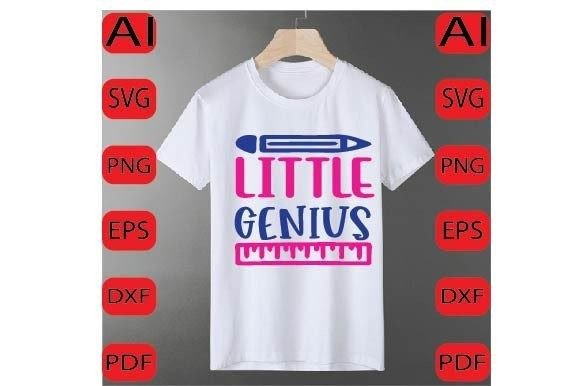
The design falls squarely into the Crafts and Graphics categories, targeting a niche that is perpetually popular: education and appreciation for teachers. The phrase "life begins after teacher" paired with the "Little Genius" motif creates a playful, affectionate tone. But does it work for a professional embroidery project? Let’s break it down from the perspective of someone who has to hoop, stitch, and ship the final product.
First Impressions and Visual Personality
When I first loaded the file into my editing software, the layout struck me as balanced but dense. The typography suggests a whimsical, hand-drawn aesthetic, which is trendy right now. For a machine embroidery design, this style can be tricky. Hand-drawn fonts often have irregular stroke widths that require careful digitizing to maintain legibility without becoming a blob of thread.
The mood is lighthearted and celebratory. It feels appropriate for end-of-year gifts, teacher appreciation weeks, or back-to-school promotions. Visually, it commands attention. However, as a reviewer, my immediate concern was the level of detail. Small serifs and tight kerning in custom typography can easily get lost if the stitch density is too high or if the thread color contrasts poorly with the fabric. The design relies heavily on text, which means clarity is paramount. If a customer cannot read "Little Genius" from three feet away, the design has failed its primary purpose.
Real-World Application: The Tote Bag Test
To truly evaluate this embroidery file, I imagined a common scenario: a custom order for a canvas tote bag. Tote bags are staples for Etsy sellers and small shop products because they offer a large, flat surface area. I visualized stitching this design onto a natural cotton canvas.
In this context, the design shines. The horizontal layout fits well within standard rectangular hoops. On a sturdy fabric like canvas, the weight of the stitching adds a premium feel to the handmade product. The playful nature of the graphic appeals to parents buying gifts for their child’s educator. It transforms a simple utility item into a personalized gift with emotional value. However, I noted that the length of the phrase requires a larger hoop size. If you are working with a 4x4 inch hoop, you might need to resize the design significantly, which could compromise the readability of the smaller words.
Beyond tote bags, this design would perform well on sweatshirt embroidery projects. A crewneck sweatshirt provides a soft, stable background that allows the threads to sit nicely without sinking into the weave. The contrast between bright thread colors and heather gray or navy fabric would make the text pop, enhancing the visual appeal and ensuring the message is clear.
Navigating Fabric and Technical Challenges
While the design is charming, it is not without its technical demands. As a designer, I must advise caution when applying this to challenging materials. For instance, using this on a cap or curved surface requires significant expertise. The horizontal span of the text may distort if not properly stabilized, and the curvature of the cap can make long lines of text appear bent or uneven.
Similarly, consider baby embroidery items like onesies or bibs. These garments are made from thin, stretchy knits. Stitching a dense text design onto such fabric without proper cut-away stabilizer can lead to puckering. The "Little Genius" theme is perfect for baby showers, but the execution must be flawless. I recommend testing the design on scrap fabric first, specifically using the same material you intend to sell. Check how the running stitch outlines hold up against the fill areas. If the design uses satin stitch for the lettering, ensure the column width is not too wide for the fabric, as this can cause snagging.
Dark fabrics present another hurdle. If you are stitching light-colored thread on a black shirt, you must ensure the underlay stitches are sufficient to prevent the background fabric from showing through. This affects the professionalism of the finished product. A messy underside or visible backing can undermine customer trust, no matter how cute the design is.
Commercial Viability and Brand Consistency
For craft business owners, the viability of a design depends on its versatility and ease of production. Little Genius Svg Design is marketed as an instant download compatible with cutting software like Cricut and Silhouette. This dual utility is a major selling point. You can use the same graphic for heat transfer vinyl (HTV) projects and embroidery, allowing you to offer consistent branding across different product lines. This consistency builds brand recognition and makes your shop look more professional.
However, before listing this as a commercial embroidery asset, you must verify the licensing terms. Just because it is an instant download does not automatically grant commercial rights for physical goods or digital resale. Always check the specific license included with the file. Assuming you have the rights, this design fits well into a broader collection of educational-themed assets. It pairs nicely with apple motifs, books, or pencils, allowing you to create bundled listings that increase average order value.
The design also works well for printable mockups. Since it is a vector-based SVG, it scales infinitely without losing quality. You can create high-resolution previews for your online store, showing the design on various products like aprons, pillow covers, or kitchen towels. These mockups help customers visualize the custom apparel or home decor item, boosting buyer engagement and conversion rates.
Practical Notes for the Embroiderer
If you decide to incorporate this design into your workflow, keep these practical tips in mind:
- Test Stitch First: Always run a test stitch on scrap fabric. Check for thread breaks, nesting, and registration issues.
- Check Thread Contrast: Use high-contrast thread colors to ensure legibility. Avoid matching thread color too closely to the fabric unless you are going for a subtle, tonal look.
- Stabilizer Selection: Use a cut-away stabilizer for stretchy fabrics and tear-away for woven fabrics. Proper stabilization is key to preventing distortion.
- Hoop Size Confirmation: Measure the design dimensions against your available hoops. Ensure you have enough margin around the design for secure hooping.
- Inspect Small Details: Zoom in on the digitized file. Look for overly dense areas that might cause puckering and adjust stitch density if necessary.
- Verify Licensing: Confirm whether the license allows for commercial use of finished physical items. Do not assume; read the terms.
In conclusion, Little Genius Svg Design is a strong contender for educators’ gifts and school-themed merchandise. It offers a blend of charm and professionalism that resonates with buyers. However, its success depends entirely on your technical execution. By respecting the limitations of fabric and machine, and by prioritizing clarity and stability, you can turn this digital graphic into a high-quality embroidered patch or garment that customers will cherish. It is a solid addition to your library of design assets, provided you approach it with the precision it deserves.